


 05:41
 Chocolate Fair & SMEs Halal Hub 2011
By REKHA NAIDU
We all love chocolate but suffer unnecessary guilt when consuming it because of some long held beliefs about its adverse effect on health. You may be surprised to learn that much of the bad press concerning chocolate is due to misinformation.
In fact, results of new research are revealing that chocolate has many interesting characteristics. It's time, therefore, to set the record straight.
Fact One - Chocolate does not cause acne
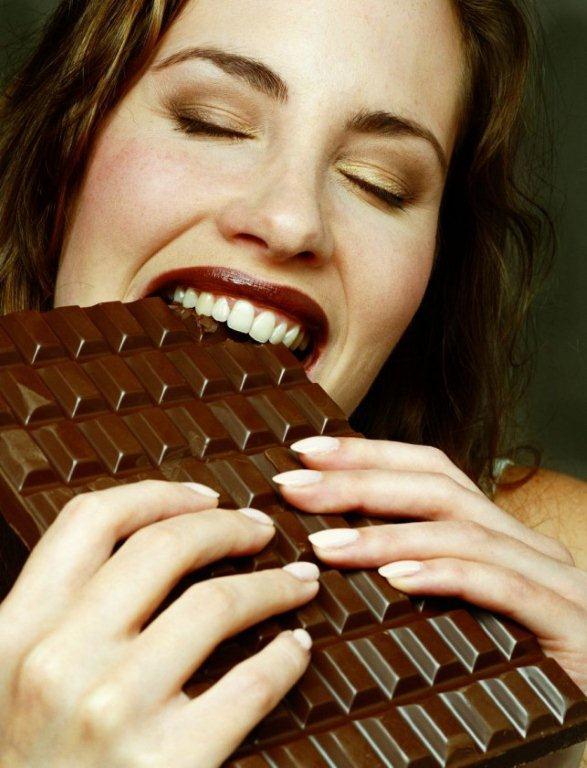 One of the greatest myths of all time is that chocolate causes acne, particularly amongst teenagers. Nothing could be further from the truth.
Poor diet is the real culprit, but in the past, it has always been easy and convenient to blame chocolate. Hormonal changes at puberty, coupled with a diet lacking in zinc and high in iodine, are also high on the list of suspects.
Acne usually begins in the adolescent years when there is an increase in hormone levels, causing glands to secrete a substance called sebum. Sebum naturally flows to the surface of the skin, but if the flow is blocked, the oily sebum accumulates to form a pimple.
The illustrated Encyclopedia of Dermatology quite rightly states that "there is no place for diet in the management acne." So, teenagers need not cut out one of their favorite foods, chocolate, from their diet. It would be a futile exercise.
Fact Two - Eating chocolate does not make you fat
Overindulgence is the real issue here. Recent statistics from all over the world show that obesity is on the rise.
Eating in moderation, even chocolate, together with regular cardiovascular workouts is the answer to maintaining a healthy body weight. The emphasis here should be on fitness and not just weight loss. Your family physician, dietitian or nutritionist would be the best person to advise you on weight management, but the rule of thumb should be to focus on moderation. Truth is, there is no single food that is fattening; it is the amount consumed that often determines a person's weight.
As a footnote, it might be worth noting that the American Dietetic Association, in their "Tip of The Day" section, advises "the inclusion of chocolate in your routine in moderation."
Fact Three - Diabetic people can consume chocolate
There has been a significant change in the dietary advice given to diabetics over the last 20 years.
The British Diabetic Association, the American Dietetic Association and the Malaysian Diabetic Association today acknowledge that a small amount of sugar or sugar-containing foods as part of a high fiber and low fat diet is acceptable.
Diabetic products are unnecessary and offer no benefit over ordinary foods to people with diabetes. Hence, it is perfectly fine for diabetic people to eat chocolate, albeit moderately and with the assistance for a dietitian.
Fact Four - Chocolate does not cause dental caries.
When the tooth aches like crazy and you have to visit the dentist, chocolate may be the farthest thing from your mind for some time. But pause for a moment and consider the facts.
Tooth decay is a multifactor disease; and the erosion process of the enamel on the tooth surface is dynamic. The acid produced by the breakdown of food carbohydrates in the mouth is the cause of this erosion.
Good oral hygiene and the fluoridation of water have played a role in the reduction of caries in some countries despite the fact that sugar consumption has stayed the same or has increased. The other good news is that tannins in cocoa may help to prevent caries by reducing the growth of plaque. The oxalic acid in chocolate also appears to lower acid production.
You can now continue to eat chocolate and yet be able to flash that smile without any embarrassment. But remember to brush your teeth.
Fact Five - Chocolate does not cause heart disease
Here again, we find chocolate being miscast as the bad guy. The rise in incidence of heart diseases in Malaysia is due primarily to people's sedentary and unhealthy lifestyles.
Smoking, lack of exercise and unbalanced diets high in saturated fats are the real culprits. Chocolate, on the other hand, contains antioxidants known as phenols that may lower the level of low-density lipoprotein (LDL cholesterol). It is now thought that the stearic acid in cocoa butter or the fat in chocolate has no effect on blood cholesterol.
A sensible guideline for healthy living is to follow a high fiber, high complex carbohydrates, low fat and low sugar diet plus regular exercises. And a little chocolate in the diet may not be such a problem for the heart.
Fact Six - Is chocolate an aphrodisiac?
This is one that could prove to be true. Although no food has yet been proven to be aphrodisiacs, chocolate does have a positive reaction on brain chemistry and is known to improve one's mood.
The pleasurable feelings associated with eating chocolates is due to the release of natural opiates that are known to reduce pain and enhance one's mood and sense of pleasure. Practically speaking, none of the opiates seem to be present in large quantities to produce such an effect. Most likely, it is the combination of chocolate's sensory characteristics, nutrient composition, and psychoactive ingredients that are responsible.
Glenn Campbell, an Australian nutritionist, put it best when he said: "Eating chocolate truly is one of life's pleasures." In other words, you can't go wrong with a gift of chocolate.
So, go on, reach for your favorite chocolate and indulge in one of life's most delicious gifts. But remember to exercise regularly too!
This article is edited from the Sunday Star, August 20, 2000 (page 22)
Rekha Naidu is a consultant dietician. For more chocolate facts, fax enquiries to 603-5512 8595
We all love chocolate but suffer unnecessary guilt when consuming it because of some long held beliefs about its adverse effect on health. You may be surprised to learn that much of the bad press concerning chocolate is due to misinformation.
In fact, results of new research are revealing that chocolate has many interesting characteristics. It's time, therefore, to set the record straight.
Fact One - Chocolate does not cause acne
One of the greatest myths of all time is that chocolate causes acne, particularly amongst teenagers. Nothing could be further from the truth.Poor diet is the real culprit, but in the past, it has always been easy and convenient to blame chocolate. Hormonal changes at puberty, coupled with a diet lacking in zinc and high in iodine, are also high on the list of suspects.
Acne usually begins in the adolescent years when there is an increase in hormone levels, causing glands to secrete a substance called sebum. Sebum naturally flows to the surface of the skin, but if the flow is blocked, the oily sebum accumulates to form a pimple.
The illustrated Encyclopedia of Dermatology quite rightly states that "there is no place for diet in the management acne." So, teenagers need not cut out one of their favorite foods, chocolate, from their diet. It would be a futile exercise.
Fact Two - Eating chocolate does not make you fat
Overindulgence is the real issue here. Recent statistics from all over the world show that obesity is on the rise.
Eating in moderation, even chocolate, together with regular cardiovascular workouts is the answer to maintaining a healthy body weight. The emphasis here should be on fitness and not just weight loss. Your family physician, dietitian or nutritionist would be the best person to advise you on weight management, but the rule of thumb should be to focus on moderation. Truth is, there is no single food that is fattening; it is the amount consumed that often determines a person's weight.
As a footnote, it might be worth noting that the American Dietetic Association, in their "Tip of The Day" section, advises "the inclusion of chocolate in your routine in moderation."
Fact Three - Diabetic people can consume chocolate
There has been a significant change in the dietary advice given to diabetics over the last 20 years.
The British Diabetic Association, the American Dietetic Association and the Malaysian Diabetic Association today acknowledge that a small amount of sugar or sugar-containing foods as part of a high fiber and low fat diet is acceptable.
Diabetic products are unnecessary and offer no benefit over ordinary foods to people with diabetes. Hence, it is perfectly fine for diabetic people to eat chocolate, albeit moderately and with the assistance for a dietitian.
Fact Four - Chocolate does not cause dental caries.
When the tooth aches like crazy and you have to visit the dentist, chocolate may be the farthest thing from your mind for some time. But pause for a moment and consider the facts.
Tooth decay is a multifactor disease; and the erosion process of the enamel on the tooth surface is dynamic. The acid produced by the breakdown of food carbohydrates in the mouth is the cause of this erosion.
Good oral hygiene and the fluoridation of water have played a role in the reduction of caries in some countries despite the fact that sugar consumption has stayed the same or has increased. The other good news is that tannins in cocoa may help to prevent caries by reducing the growth of plaque. The oxalic acid in chocolate also appears to lower acid production.
You can now continue to eat chocolate and yet be able to flash that smile without any embarrassment. But remember to brush your teeth.
Fact Five - Chocolate does not cause heart disease
Here again, we find chocolate being miscast as the bad guy. The rise in incidence of heart diseases in Malaysia is due primarily to people's sedentary and unhealthy lifestyles.
Smoking, lack of exercise and unbalanced diets high in saturated fats are the real culprits. Chocolate, on the other hand, contains antioxidants known as phenols that may lower the level of low-density lipoprotein (LDL cholesterol). It is now thought that the stearic acid in cocoa butter or the fat in chocolate has no effect on blood cholesterol.
A sensible guideline for healthy living is to follow a high fiber, high complex carbohydrates, low fat and low sugar diet plus regular exercises. And a little chocolate in the diet may not be such a problem for the heart.
Fact Six - Is chocolate an aphrodisiac?
This is one that could prove to be true. Although no food has yet been proven to be aphrodisiacs, chocolate does have a positive reaction on brain chemistry and is known to improve one's mood.
The pleasurable feelings associated with eating chocolates is due to the release of natural opiates that are known to reduce pain and enhance one's mood and sense of pleasure. Practically speaking, none of the opiates seem to be present in large quantities to produce such an effect. Most likely, it is the combination of chocolate's sensory characteristics, nutrient composition, and psychoactive ingredients that are responsible.
Glenn Campbell, an Australian nutritionist, put it best when he said: "Eating chocolate truly is one of life's pleasures." In other words, you can't go wrong with a gift of chocolate.
So, go on, reach for your favorite chocolate and indulge in one of life's most delicious gifts. But remember to exercise regularly too!
This article is edited from the Sunday Star, August 20, 2000 (page 22)
Rekha Naidu is a consultant dietician. For more chocolate facts, fax enquiries to 603-5512 8595


 This program will be held starting on 9th October until 12th October 2011 at KAED gallery, International Islamic University Malaysia.
We are excited to promote the varieties of handmade which include chocolate, Small Medium Enterprises (SMEs), and halal hub that exist in Malaysia.
